

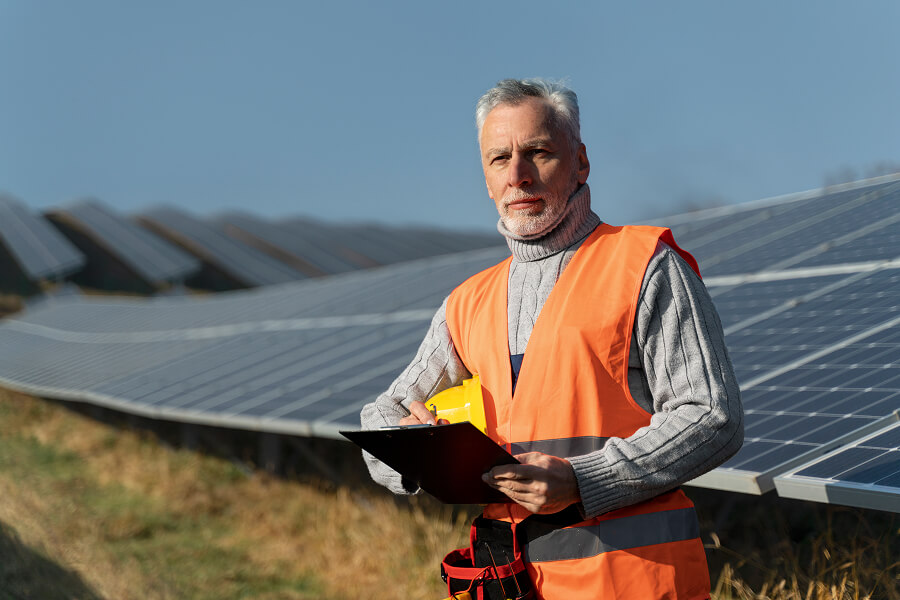
Solar Energy for Businesses: Save Money and Go Green
The solar energy industry is evolving rapidly, with new technologies and approaches emerging that promise to make renewable energy more efficient, affordable, and accessible than ever before.
As we move through 2025, several key trends are shaping the future of solar energy. From innovative panel designs to advanced storage solutions, these developments are accelerating the global transition to clean energy.
1. Bifacial Solar Panels Gain Momentum
Bifacial solar panels, which can capture sunlight from both sides, are becoming increasingly popular. These innovative panels can generate up to 30% more electricity than traditional panels, making them a game-changer for solar installations.
By capturing reflected light from the ground or surrounding surfaces, bifacial panels maximize energy production, especially in areas with highly reflective surroundings like snow-covered regions or installations with light-colored ground covers.
2. Building-Integrated Photovoltaics (BIPV)
The integration of solar technology directly into building materials is revolutionizing how we think about solar installations. Solar roof tiles, solar windows, and solar facades are becoming more efficient and aesthetically pleasing, allowing solar energy generation without compromising architectural design.
These integrated solutions are particularly appealing for urban environments and historic districts where traditional solar panels might face resistance due to aesthetic concerns.
3. Advanced Energy Storage Solutions
As solar adoption increases, so does the need for effective energy storage solutions. The latest battery technologies are offering higher capacity, longer lifespans, and faster charging capabilities, making solar energy more reliable around the clock.
Flow batteries, solid-state batteries, and other emerging technologies are promising to overcome the limitations of current lithium-ion batteries, potentially offering safer, more sustainable, and more cost-effective storage options.
4. Artificial Intelligence in Solar Management
AI and machine learning are transforming how solar systems are managed and optimized. Smart algorithms can predict energy production, optimize panel orientation, detect maintenance issues before they become problems, and balance energy supply and demand more effectively.
These intelligent systems are making solar energy more efficient and reliable, reducing waste and maximizing return on investment for solar installations of all sizes.
5. Floating Solar Farms
With land at a premium in many regions, floating solar farms installed on reservoirs, lakes, and other water bodies are gaining popularity. These installations offer several advantages, including higher efficiency due to the cooling effect of water, reduced water evaporation, and utilization of otherwise unused space.
Countries like China, Japan, and India are leading the way in deploying large-scale floating solar projects, with many other nations beginning to explore this innovative approach.
Conclusion
The future of solar energy is bright, with technological innovations driving increased efficiency, reduced costs, and greater accessibility. As these trends continue to develop and mature, we can expect solar energy to play an increasingly central role in the global energy landscape.
At Sunova, we’re committed to staying at the forefront of these developments, offering our customers the most advanced and effective solar solutions available. Contact us today to learn how these emerging technologies can benefit your home or business.